How Louisiana School Districts Can Create Brighter, Healthier, More Inspiring Learning Environments With Thoughtful Planning, Modern School Furniture, and a Connection to Nature
Education is constantly evolving, and the environments in which our children learn deserve the same attention as the educational programs themselves.
From kindergarten through 12th grade and into higher education, schools throughout Louisiana have an opportunity to rethink traditional classroom design. Beyond desks, chairs, computers, and textbooks, today’s educational environments can incorporate natural sunlight, outdoor views, greenery, flexible classroom furniture, and dedicated outdoor learning spaces.
The objective is simple: create school environments that encourage curiosity, support teaching, promote student engagement, and provide greater flexibility for the changing needs of modern education.
For Louisiana school districts, this vision is particularly exciting. Our state is rich in natural beauty, from the majestic live oaks of South Louisiana to the wetlands, gardens, and green spaces that make our communities unique. Thoughtful school design can help bring some of that natural environment into the daily educational experience.
At Gbp Direct, we believe that creating better learning environments begins with understanding how students and teachers use their spaces—and helping schools find practical furniture and layout solutions that support their educational goals.
1. A New Outlook on School Design: Beyond the Traditional Classroom
For decades, many classrooms followed a familiar arrangement: rows of desks, a teacher’s desk at the front, a chalkboard or whiteboard, and overhead lighting.
That arrangement still has a place in education. However, today’s schools are increasingly recognizing the value of providing different environments for different types of learning.
A modern classroom might include collaborative tables, flexible student seating, comfortable reading areas, technology stations, and windows that provide views of the outdoors.
In some schools, learning can extend beyond the building into shaded courtyards, outdoor science areas, gardens, and covered instructional spaces.
These environments offer teachers additional ways to present lessons and give students opportunities to experience learning in different settings.
The goal is not to replace the traditional classroom. It is to expand the possibilities.
When school administrators, architects, facilities directors, and furniture specialists work together, they can create environments that balance functionality, comfort, flexibility, and educational purpose.
2. Bringing Natural Sunlight Into Louisiana Classrooms
Natural light is an important consideration when designing or renovating an educational facility.
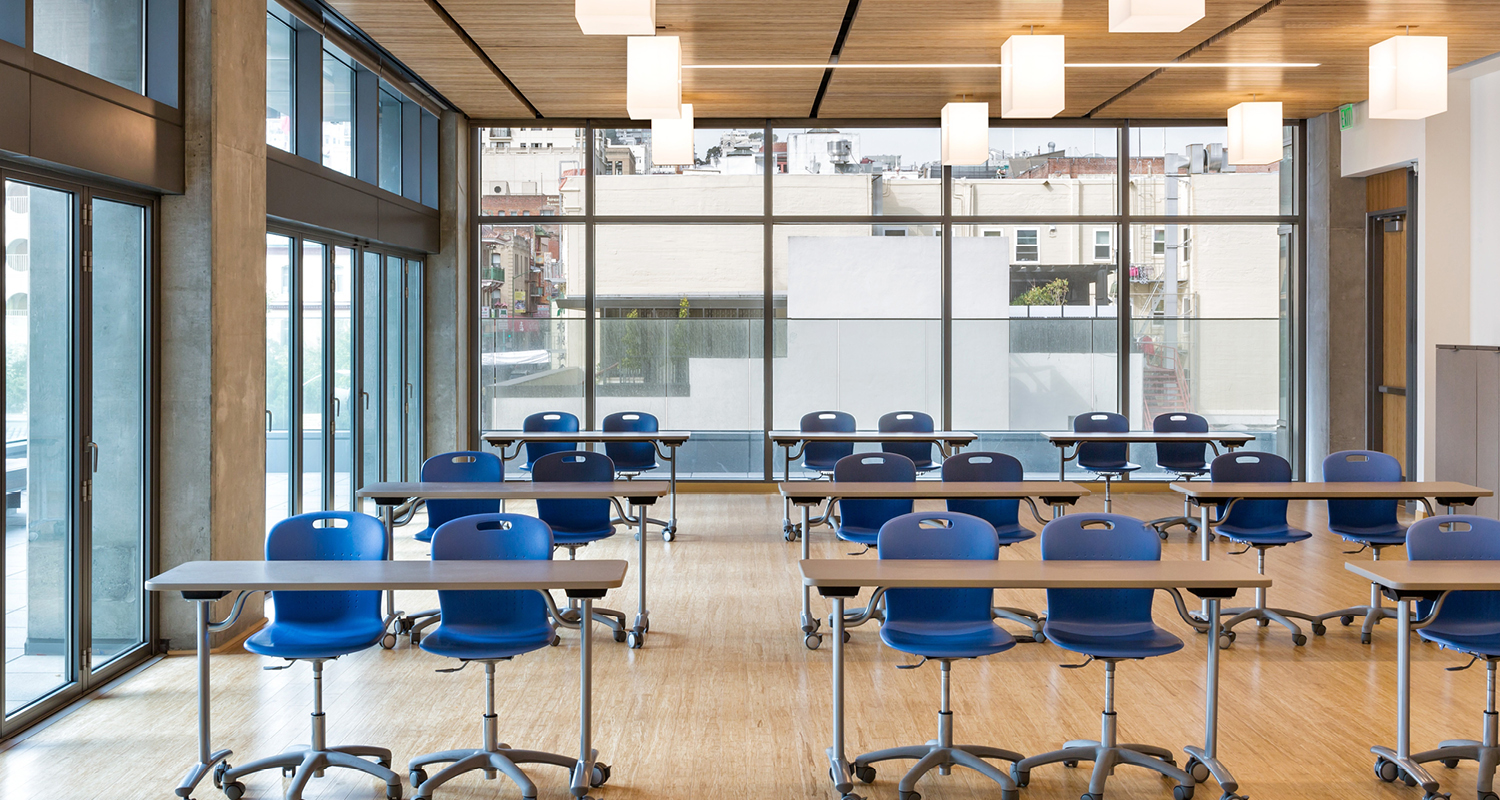
Classrooms with well-planned windows and outdoor views can feel more open and welcoming. Daylight can also help reduce dependence on electric lighting when conditions permit.
However, in Louisiana, classroom design must balance sunlight with heat, humidity, glare, and air-conditioning demands.
A successful design does more than add windows. It considers how the building, furnishings, lighting, and window coverings work together.
School districts planning new facilities or renovating existing classrooms may consider:
- Positioning desks and tables to take advantage of available daylight while minimizing glare.
- Selecting adjustable window shades that help control direct sunlight.
- Arranging computer stations to reduce reflections on screens.
- Using appropriate artificial lighting to supplement daylight.
- Selecting furniture layouts that preserve access to windows and maintain clear walkways.
- Considering energy efficiency and indoor comfort when planning improvements.
Furniture placement is especially important. A room can have beautiful windows, but if desks, storage units, or bulky furniture obstruct the space, students and teachers may not fully benefit from the design.
Gbp Direct can help school districts evaluate classroom furniture requirements, develop practical furniture layouts, and select products that complement the intended use of each space.
For schools seeking to modernize existing facilities, even carefully planned furniture changes can be a useful part of a broader classroom improvement strategy.
3. Connecting Students With Nature From Pre-K Through High School
Children learn in different ways at different stages of their development. Thoughtful educational design should reflect those differences.
Pre-K and Kindergarten: Learning Through Discovery
For younger children, the classroom is a place to explore, observe, touch, build, and ask questions.
Age-appropriate tables, properly sized chairs, accessible storage, reading corners, and activity stations can help teachers create an environment that supports a variety of learning experiences.
When classrooms have views of gardens, trees, and outdoor activity areas, teachers have additional opportunities to connect lessons with the natural world.
A simple garden can become a living science lesson. Children can observe how plants grow, compare leaves, learn about weather, and begin to understand the relationship between sunlight, water, and living things.
Elementary School: Turning Curiosity Into Learning
As students progress through elementary school, classrooms must accommodate reading, mathematics, science, writing, art, and collaborative activities.
Flexible furniture can help teachers reorganize classrooms to support these different subjects.
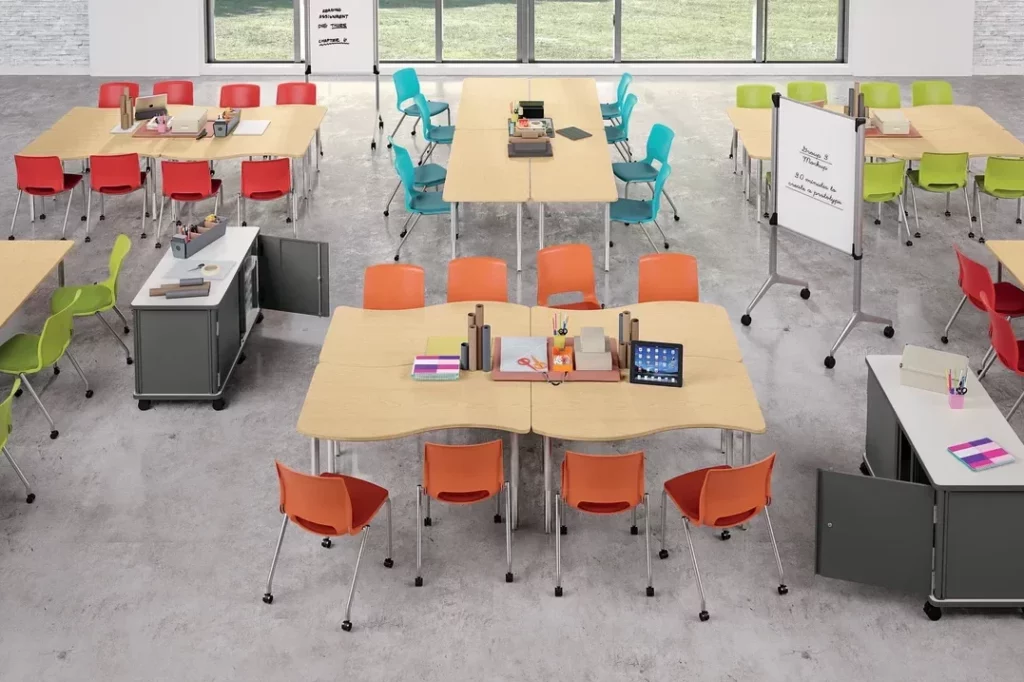
Tables can be arranged for group projects, separated for independent work, or configured for hands-on activities.
Outdoor gardens, shaded seating, and observation areas can provide additional opportunities to explore science and environmental studies.
The right classroom layout makes it easier for teachers to transition between instructional methods without having to work around furniture that limits the room’s functionality.
Middle School: Encouraging Collaboration and Exploration
Middle school students benefit from learning environments that accommodate both independent work and collaboration.
Flexible desks, group tables, technology-friendly workstations, and comfortable common areas can support changing instructional needs.
Outdoor learning areas can provide additional settings for science investigations, environmental studies, reading, and supervised group discussions.
Schools can also incorporate nature into science laboratories, libraries, and shared student spaces through outdoor views, nearby gardens, and accessible landscaped areas.
High School: Preparing Students for the Future
High schools must accommodate an increasingly diverse range of educational activities, from traditional classroom instruction to advanced science, technology, career and technical education, art, and collaborative projects.
Furniture should reflect those needs.
Laboratories require suitable work surfaces and storage. Technology classrooms need layouts that support equipment and safe movement. Libraries and student commons benefit from a mix of quiet study areas and collaborative spaces.
Outdoor classrooms and shaded courtyards can provide additional locations for instruction, presentations, and group activities when appropriate.
By combining thoughtful furniture selection with effective space planning, schools can create learning environments that adapt to the needs of students and teachers.
4. Outdoor Classrooms: A Valuable Opportunity for Louisiana Schools
One of the most promising developments in educational design is the outdoor classroom.
Louisiana’s Department of Education recognizes outdoor learning experiences as an opportunity for students to engage with science concepts, investigate the natural world, and connect classroom instruction with real-life observations.
Outdoor learning can help students explore concepts that might otherwise be taught primarily through textbooks, demonstrations, or computer screens.
Imagine students studying plant growth in a school garden, examining local insects during a science lesson, measuring rainfall, or observing how water moves through different types of soil.
These activities can connect academic concepts to the environment students see in their own communities.
An outdoor classroom does not necessarily require an expensive construction project.
Depending on the school’s available space and educational objectives, it might include:
- A covered instructional area with tables and seating.
- A shaded outdoor reading and study area.
- A garden designed for hands-on science lessons.
- Durable benches and tables for group discussions.
- A dedicated space for environmental observation.
- An outdoor presentation area with an appropriate writing surface.
- Accessible pathways connecting the outdoor area to school facilities.
The most successful outdoor classrooms are planned around specific educational needs.
Schools must consider supervision, accessibility, drainage, shade, maintenance, security, and the movement of students between indoor and outdoor spaces.
Designing for Louisiana’s Climate
In South Louisiana, outdoor classrooms must be designed with our climate in mind.
High temperatures, humidity, intense sun, and heavy rainfall can make exposed outdoor spaces uncomfortable or difficult to use for much of the school year.
Covered pavilions, appropriate shade, climate-resistant furnishings, proper drainage, and easy access to indoor facilities can help make these areas more practical.
Schools should also establish guidelines for heat, severe weather, and outdoor activities to protect students and staff.
With proper planning, outdoor learning spaces can become a valuable extension of the educational environment rather than an area that is used only occasionally.
5. Why School Furniture Is an Essential Part of the Innovation
When people discuss modern school design, the conversation often focuses on buildings, windows, technology, and landscaping.
But furniture is one of the most important elements connecting a building’s design to the everyday educational experience.
A beautifully designed classroom cannot reach its full potential if the furniture does not support the way teachers and students use the space.
Furniture affects how students work, where teachers can move, how easily groups can collaborate, and whether classrooms can be reconfigured for different activities.
This is where experienced school furniture planning becomes especially valuable.
Flexible Furniture for Flexible Learning
Modern educational environments may require several classroom configurations throughout the day.
A teacher might begin with a group lesson, move into small-group instruction, and finish with individual assignments.
Furniture that can be rearranged efficiently allows the room to accommodate these changes.
Depending on the age group and intended use, schools may benefit from:
- Student desks and tables that support different classroom configurations.
- Collaborative tables for group projects.
- Age-appropriate, ergonomic seating.
- Mobile storage that helps organize instructional materials.
- Technology-compatible workstations.
- Library furniture that supports both quiet reading and collaboration.
- Flexible common-area furniture for informal learning.
- Durable outdoor furniture for designated learning areas.
The objective is not simply to purchase newer products. It is to select the right furniture for the right environment.
A kindergarten classroom has different requirements from a high school science laboratory. A university library has different needs from an outdoor elementary school learning area.
Understanding those differences is an essential part of successful furniture planning.
6. How Gbp Direct Helps Louisiana Schools Bring Their Vision to Life
Turning an innovative educational vision into a functional school environment requires more than purchasing desks and chairs.
School districts need to coordinate product selection, space planning, furniture specifications, purchasing, delivery, and installation.
Gbp Direct works with schools and educational institutions throughout Louisiana to help address these practical requirements.
Our approach combines school furniture experience with the planning and logistical support needed to turn an approved furniture project into a completed space.
Classroom Design and Space Planning
Every classroom has its own dimensions, instructional requirements, storage needs, and limitations.
Gbp Direct can help schools evaluate furniture options and plan classroom layouts around the intended use of the space.
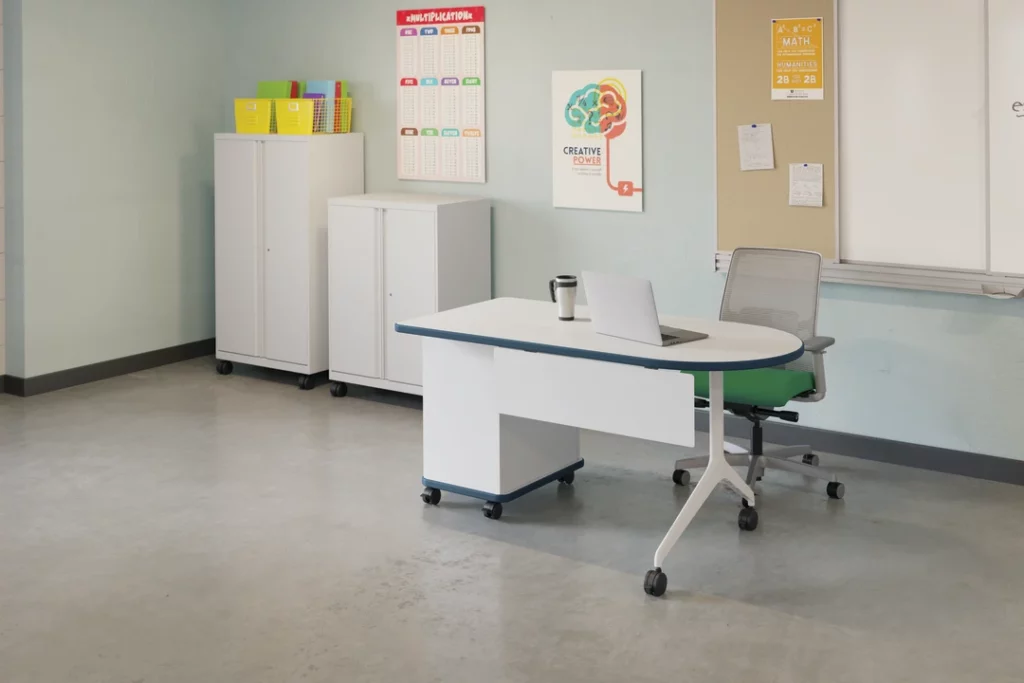
That may include arranging student desks, collaborative tables, teacher workstations, storage, and other furnishings to support classroom instruction and preserve appropriate circulation.
When a school is considering a more flexible learning environment, furniture planning can help identify opportunities to improve the use of existing space.
Furniture Selection and Configuration
Different learning environments require different furniture solutions.
Gbp Direct helps schools select and configure furniture appropriate for their needs, whether the project involves elementary classrooms, middle school learning areas, high school facilities, administrative offices, libraries, or collaborative spaces.
For schools interested in incorporating outdoor learning, the planning process can also consider appropriate tables, seating, and furnishings for covered instructional areas and other designated outdoor spaces.
Product selection must account for the environment in which furniture will be used, along with durability, maintenance, accessibility, budget, and intended function.
Purchasing and Project Coordination
Large school furniture projects can involve multiple classrooms, buildings, departments, and delivery schedules.
Gbp Direct helps coordinate furniture procurement and project requirements so schools can work toward an organized installation.
Careful coordination is particularly important when schools are renovating existing facilities, preparing classrooms for a new school year, or implementing improvements in phases.
The objective is to help school administrators and facilities personnel manage the practical details while keeping the project’s educational goals in view.
Delivery, Receiving, and Professional Installation
A furniture project is not complete when the products arrive at the school.
Furniture must be received, organized, delivered to the appropriate locations, assembled when required, and installed according to the project specifications.
Gbp Direct provides furniture delivery and installation services for educational projects throughout Louisiana.
Our team helps schools coordinate these important final stages so that classrooms and other designated spaces can be prepared for their intended use.
For projects involving multiple classrooms or buildings, coordination can be especially important in reducing unnecessary disruption to school operations.
Solutions for New Construction and Existing Schools
Not every school district has the budget or need to construct a new facility.
Many worthwhile improvements can be accomplished through renovations, classroom reconfigurations, furniture replacement, and better use of existing space.
Gbp Direct can help schools explore furniture solutions for both new construction and existing facilities.
That may involve furnishing a newly built classroom, replacing aging student desks, redesigning a library, updating administrative offices, or configuring furniture for a collaborative learning area.
A thoughtful furniture plan can help schools make better use of available space while aligning purchases with their educational priorities and budgets.
Our goal is to help Louisiana schools turn their classroom and furniture plans into practical, well-organized learning environments.
7. Supporting Louisiana School Districts From Baton Rouge to Greater New Orleans and Beyond
Louisiana’s school districts serve communities with different educational priorities, facility conditions, enrollment levels, and financial resources.
A large district renovating multiple school buildings may have different requirements from a smaller parish system updating a handful of classrooms.
Some schools may be planning new construction. Others may be working with existing buildings that require careful furniture selection and space planning.
Gbp Direct understands the importance of developing solutions around each school’s individual requirements.
Our work in school furniture includes helping educational customers with furniture selection, design and configuration, receiving, delivery, and installation.
For school districts in Greater New Orleans, Baton Rouge, and communities throughout South Louisiana, local project coordination can be an important consideration when planning educational improvements.
Our Louisiana presence and delivery capabilities allow us to support school furniture projects with a focus on practical service, project coordination, and the needs of the schools we serve.
We recognize that educational furniture represents a significant investment of public and institutional resources.
School administrators need products that meet their requirements, fit their budgets, and serve students and teachers over time.
That is why thoughtful planning and selecting the appropriate products for each space are so important.
8. A Practical Approach to Modernizing Louisiana Classrooms
Innovative school design does not have to happen all at once.
Districts can begin by identifying the areas where improvements could make the greatest difference to classroom functionality.
For example, a school might start by:
Step 1: Evaluating existing classrooms.
Review how teachers and students currently use each space. Identify furniture that is outdated, poorly positioned, difficult to move, or unsuitable for the activities taking place.
Step 2: Identifying opportunities for natural light and outdoor connections.
Consider whether existing windows, views, courtyards, gardens, or covered outdoor areas could be incorporated more effectively into the educational experience.
Step 3: Selecting appropriate furniture.
Choose products that support the intended instructional activities, the age of the students, and the physical requirements of each space.
Step 4: Planning flexible learning environments.
Determine whether classrooms would benefit from collaborative tables, mobile furniture, additional storage, or designated areas for reading and group activities.
Step 5: Exploring outdoor learning opportunities.
Where space, safety, budget, and climate permit, consider shaded seating, outdoor science areas, garden-based instruction, or a covered outdoor classroom.
Step 6: Coordinating procurement and installation.
Develop a realistic schedule for purchasing, receiving, delivering, and installing the furniture so the improvements can be completed as efficiently as possible.
This phased approach allows schools to pursue practical improvements without assuming that every project requires a complete renovation.
It also creates opportunities for administrators to evaluate what works best before expanding successful ideas to additional classrooms or campuses.
9. Looking Ahead: Creating Better Learning Environments for Louisiana’s Children
The future of education will continue to include technology, digital learning tools, advanced instructional equipment, and new teaching methods.
But the physical environment will remain an important part of the educational experience.
Students need classrooms where they can concentrate, collaborate, explore, and learn. Teachers need spaces that support instruction and allow them to adapt to different activities. Administrators need furniture and facility solutions that balance educational priorities with durability, functionality, and available funding.
Natural daylight, outdoor views, green spaces, flexible furniture, and well-planned classrooms can all contribute to a more thoughtful approach to school design.
For Louisiana, this approach offers an opportunity to combine modern educational planning with the natural character of our communities.
From a kindergarten classroom to a high school science department, and from a college library to an outdoor learning pavilion, every space presents an opportunity to consider how design can better support the people who use it.
The goal is not simply to make schools look different.
It is to create learning environments that are functional, adaptable, welcoming, and aligned with the needs of students and educators.
Gbp Direct: Helping Louisiana Schools Plan for the Future
At Gbp Direct, we believe school furniture should do more than fill a room.
It should help support the way students learn, the way teachers teach, and the way schools use their facilities.
We work with educational customers to help select, design, configure, deliver, and install furniture for classrooms and other learning environments throughout Louisiana.
Whether a school district is furnishing a new facility, updating existing classrooms, improving a library, or exploring flexible learning spaces, Gbp Direct can help evaluate furniture options and coordinate the practical details of the project.
By combining thoughtful planning, appropriate furniture selection, and professional project coordination, schools can make informed decisions about their educational environments.
Let’s work together to help Louisiana’s schools create learning spaces that prepare our children for tomorrow.
Gbp Direct is proud to support Louisiana’s educational community by helping schools furnish the spaces where students learn, teachers inspire, and future generations begin to build their dreams.